
How Much Insurance Are Trucking Companies Required to Carry in Texas?
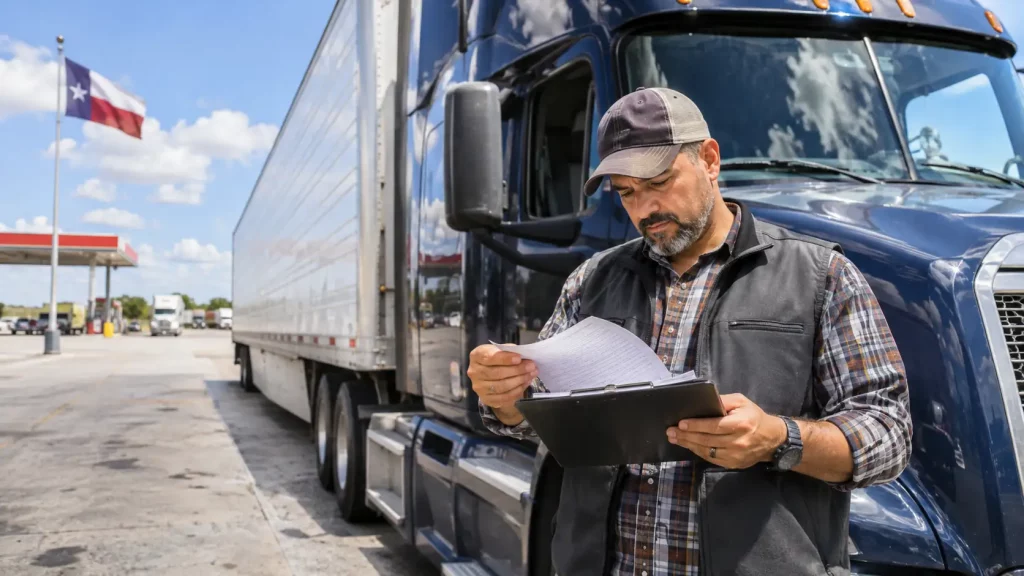
Trucking companies in Texas generally need between $500,000 and $5 million in liability coverage, depending on their operations. For-hire carriers transporting ordinary freight in interstate commerce must maintain at least $750,000 in financial responsibility when their trucks have a gross vehicle weight rating (GVWR) of 10,001 pounds or more. Texas generally requires $500,000 for registered […]
What Happens If You’re Injured as an Uber or Lyft Passenger in Texas?
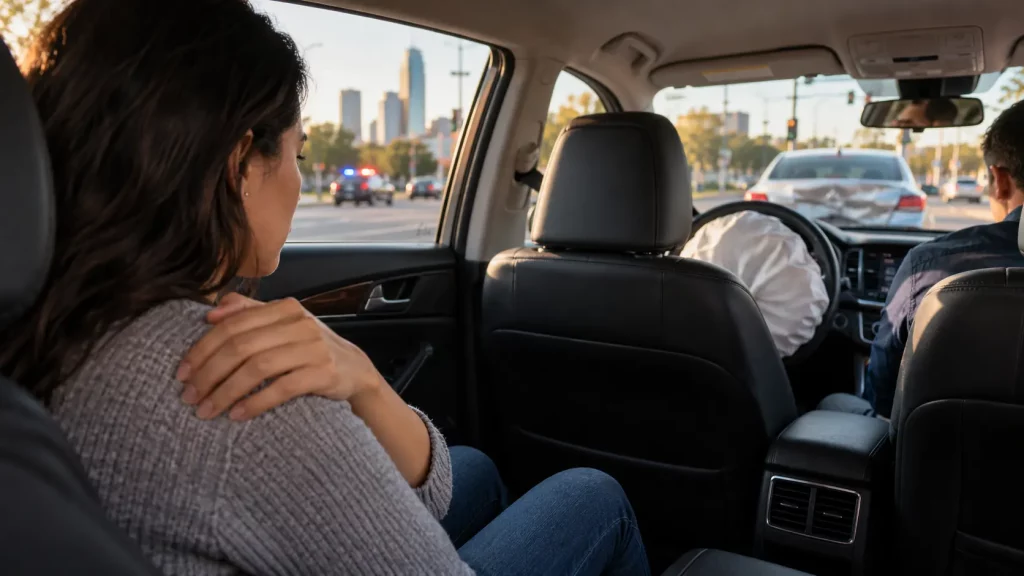
You can generally seek compensation from the driver whose negligence caused the crash. If your Uber or Lyft driver caused it, Texas law requires coverage with a combined limit of at least $1 million per incident. That limit covers death, bodily injury, and property damage during a prearranged ride. The driver’s policy, the company’s policy, […]
Can You Sue After a Hayride Accident in Texas?

In many cases, yes, you can sue after a hayride accident. Texas law does not give every hayride operator automatic immunity. The Texas Agritourism Act limits an operator’s liability in narrow situations. The operator must have posted a specific warning sign or collected a properly drafted signed agreement. Even then, the protection has exceptions. Claims […]
Who Is Responsible When an Amusement Park Ride Malfunctions?
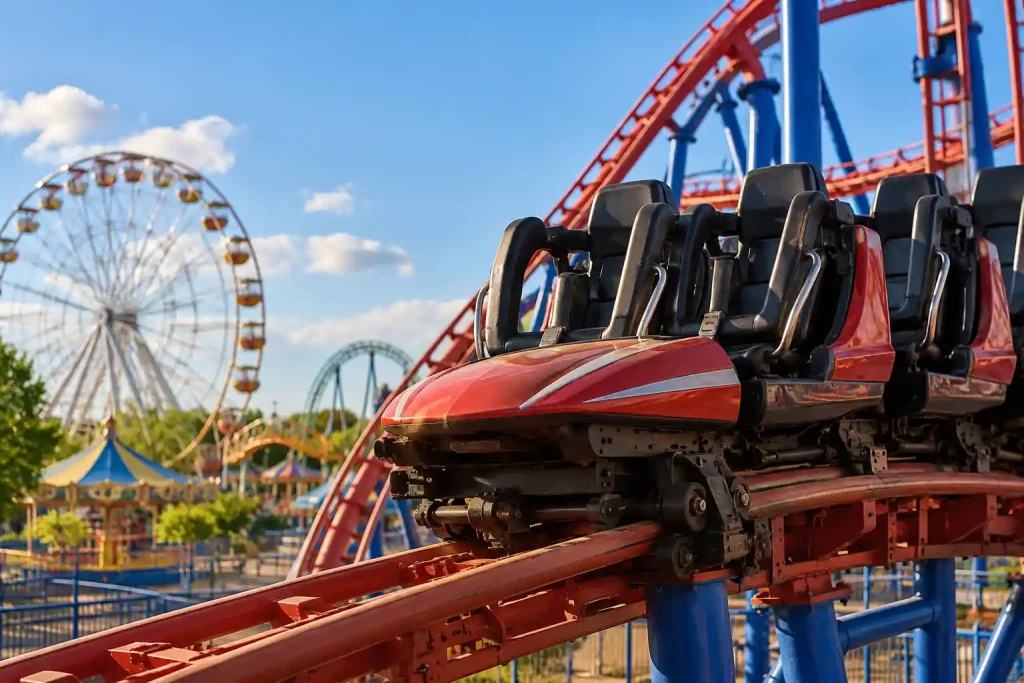
Responsibility for a ride malfunction can fall on more than one party. The park or ride operator usually sits at the center because it runs and maintains the ride. Depending on the cause, a maintenance contractor, the ride manufacturer, a component maker, or an installer may share the blame. The cause of the failure decides […]
Who Is at Fault When a Car Hits a Bicyclist in Texas?
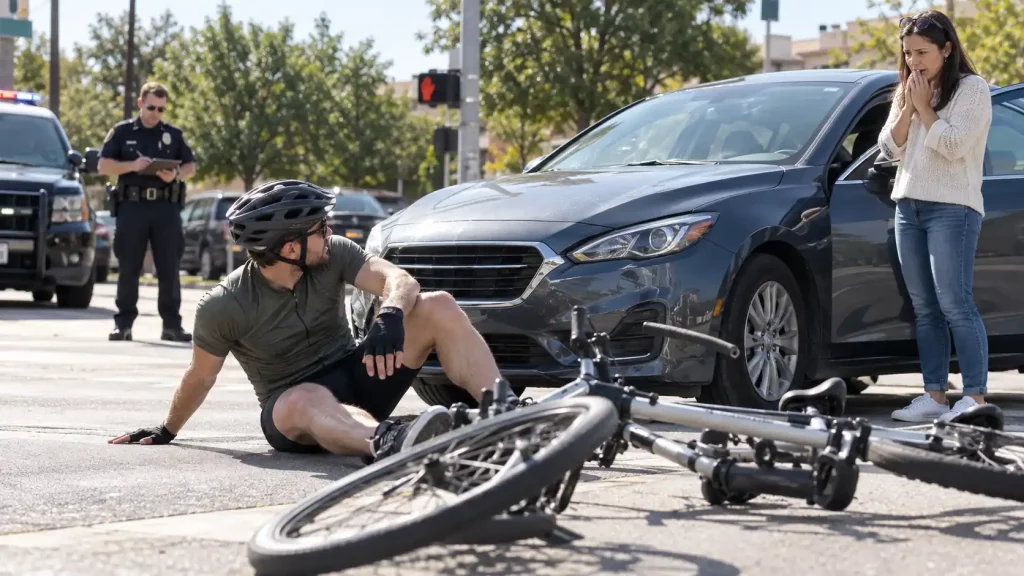
The driver is at fault when the driver breaks a traffic rule or fails to use reasonable care around a bicyclist. That failure must also cause the crash. Texas law treats a bicycle as a vehicle, so bicyclists must follow the same rules. That means fault can be shared between the two people. Texas does […]
Who Is Liable When a Company Vehicle Causes an Accident in Texas?
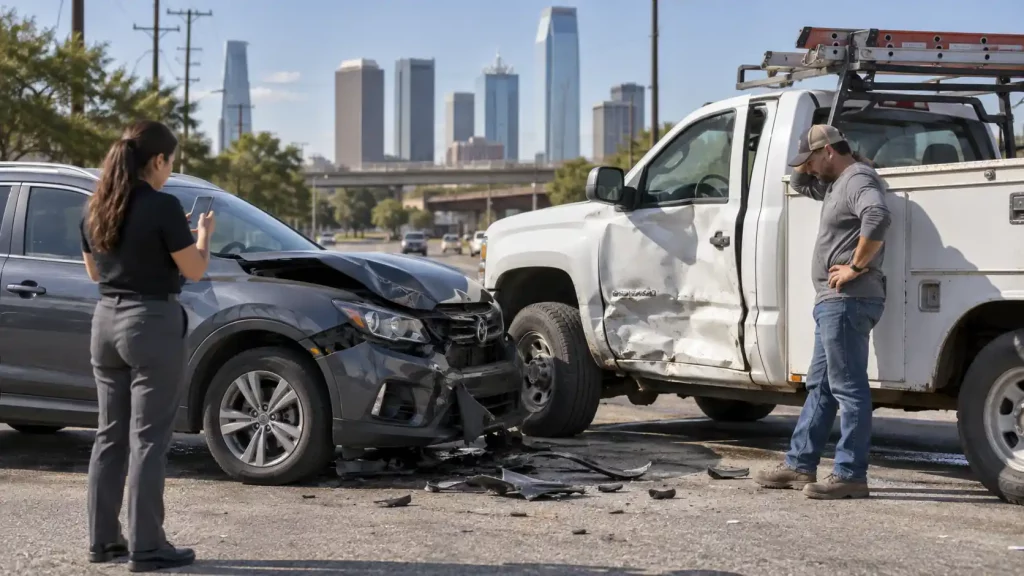
If a vehicle with a company name on the door, or a driver working on the clock, caused your crash, the responsibility does not automatically stop with the driver. Under Texas law, the employer can also be held liable, either because the driver was acting within the scope of the job or because the company […]
What to Do After a Motorcycle Accident in Texas
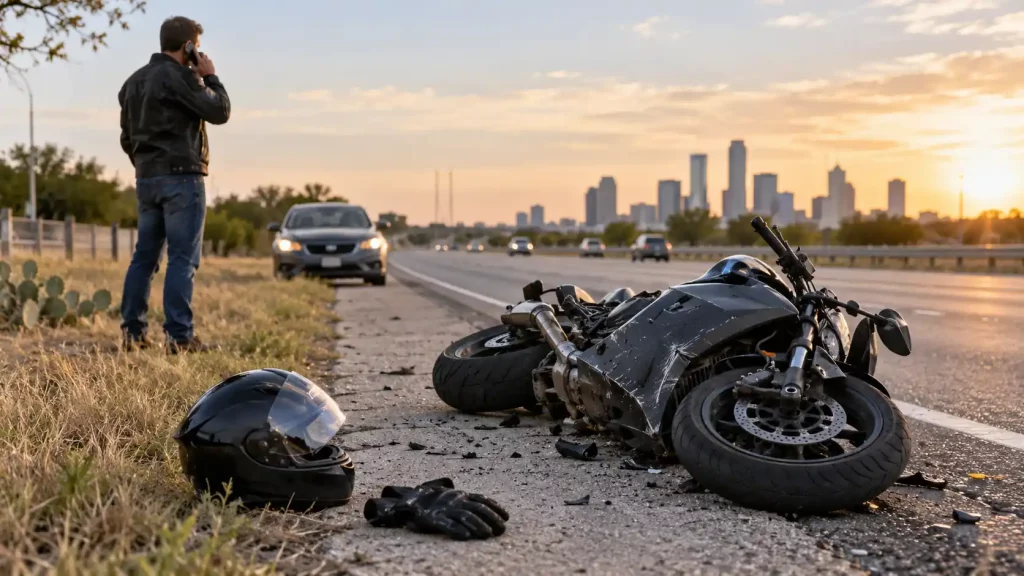
After a motorcycle accident in Texas, get to safety, call 911, and get a medical evaluation even if you feel fine. Report the crash to police, photograph the scene and your gear before anything gets repaired or thrown away, and be careful about what you say to the other driver’s insurance company. These steps protect […]
What Happens If the Police Report Is Wrong After a Car Accident in Texas?
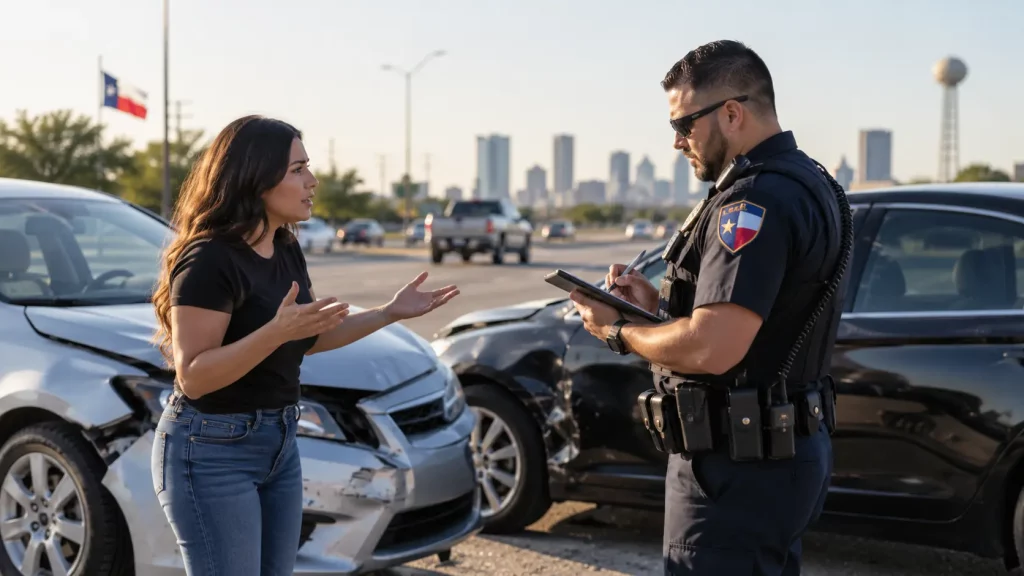
A wrong police report does not decide your car accident claim by itself, but it can slow the claim down if you do not address it. Insurance adjusters treat the responding officer’s crash report as their starting point for evaluating what happened. If that report contains a factual mistake, or reaches the wrong conclusion about […]
Who Pays Your Medical Bills After a Car Accident in Texas?
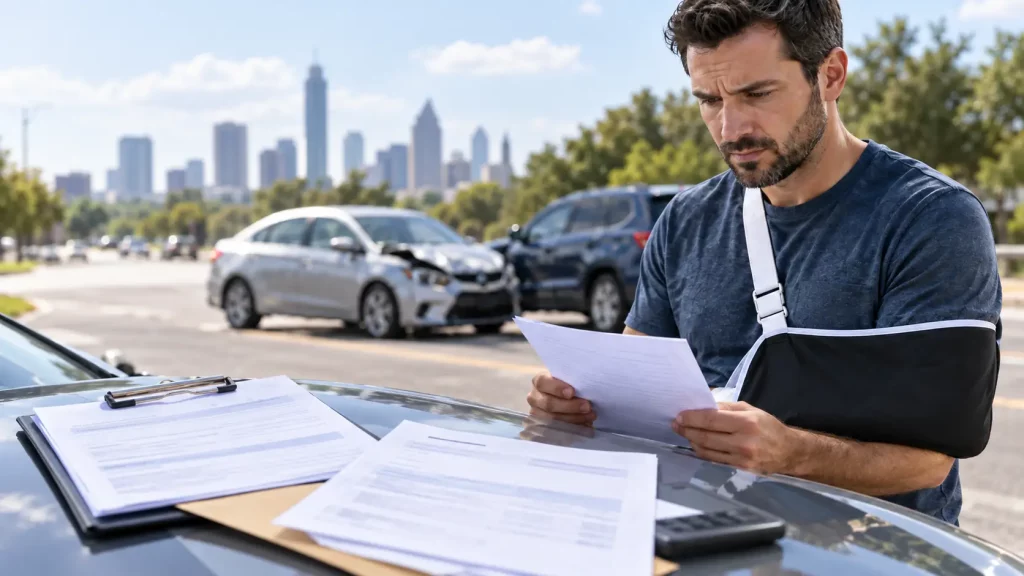
In Texas, the driver who caused your accident is legally responsible for your medical bills, but that responsibility does not translate into an immediate check. The at-fault driver’s insurance company typically does not pay your providers as treatment happens. It pays once your car accident claim is negotiated, settled, or decided in court, and that […]
Who Is at Fault in a Rear-End Accident in Texas?
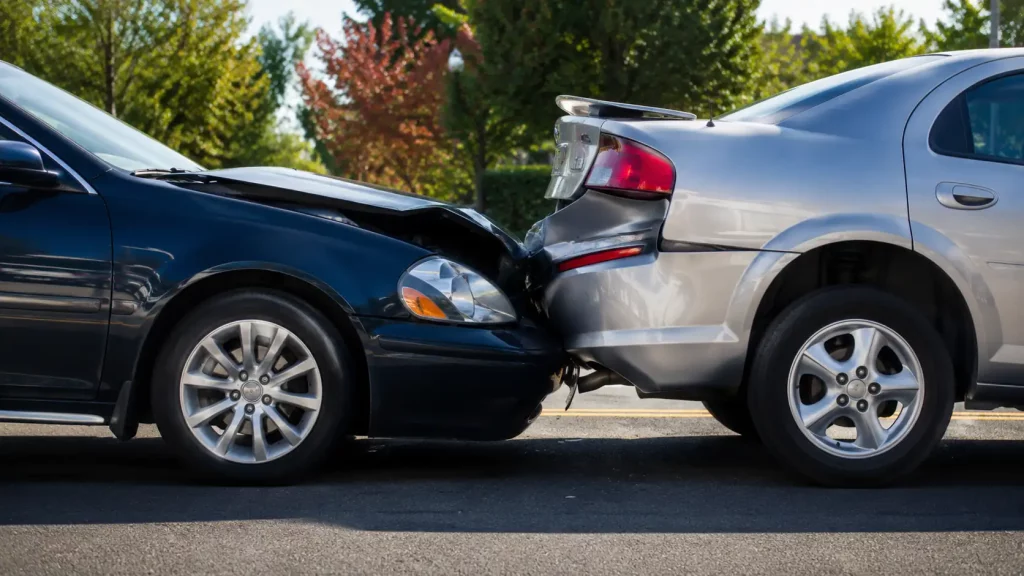
In most rear-end crashes, the driver who hits the car in front carries the fault. Texas law requires drivers to leave enough space to stop safely, and failing to do that is the most common reason these crashes happen. But that starting point does not settle every case. The driver in front can share or […]