
A car accident can change your day, your plans, and your sense of security within seconds. Many people feel confused after a crash, especially when injuries, medical bills, and insurance calls begin immediately. This Houston car accident claims guide explains what happens next, how claims work, and what steps can protect your recovery.
Motor vehicle crashes remain one of the most common causes of serious injuries nationwide. NHTSA reported 40,901 people died in U.S. traffic crashes in 2023, and estimated 39,345 fatalities in 2024. That number reflects how dangerous roadways can be, even during routine drives.
This guide is general information about Houston car accident claims and the steps that typically matter most. If you want a case-specific review, you can request a consultation with Joe I. Zaid & Associates for free. You can also review statewide crash trends through Texas crash data, which highlights how frequently motor vehicle collisions occur across major metropolitan regions.
If you were injured in a Houston crash, understanding the claims process can reduce uncertainty. More importantly, clear knowledge can help you avoid mistakes that may affect your recovery or compensation.
Why Car Accidents Are Common in Houston
Houston is one of the largest metropolitan areas in the United States, and heavy traffic increases crash risks daily. Congestion, highway speeds, and distracted driving all contribute to collisions across Harris County.
TxDOT’s 2022 crash facts report notes one reportable crash every 57 seconds in Texas. Houston’s dense roadway network makes it a significant contributor to statewide accident totals.
Busy corridors such as I-45, I-10, Beltway 8, and the 610 Loop often see serious crashes. Intersection collisions, rear-end crashes, and highway accidents frequently occur in these areas due to traffic flow and sudden stops.
Understanding these risks can help explain why insurers investigate Houston crashes closely. High accident frequency often leads to disputes over fault, injury severity, and compensation value.
Houston Traffic Patterns and Urban Crash Risk
Large metro areas often experience higher accident rates due to population density and traffic congestion. Houston’s rapid growth, commercial trucking activity, and extensive highway infrastructure contribute to collision frequency. These urban risk factors often explain why insurers closely review liability and damages in Houston car accident claims.
What Happens Immediately After a Houston Car Accident
After a collision, most people focus on safety and medical care. However, the actions taken in the first hours can influence a claim later.
Medical Attention Comes First
Even minor symptoms deserve evaluation after a crash. The CDC explains that crash injuries may not appear immediately due to adrenaline and shock. Prompt treatment also creates medical records that connect injuries to the crash.
Why Early Medical Records Matter
Medical documentation connects injuries to the crash timeline and prevents insurers from disputing causation. Consistent treatment records often strengthen claims by demonstrating injury progression and recovery challenges.
Police Reports Establish Early Documentation
Police reports often serve as a starting point for insurance investigations. Officers document statements, vehicle positions, and visible damage. While reports do not decide liability, they can shape how insurers interpret the crash.
Evidence Can Disappear Quickly
Traffic camera footage, witness recollections, and vehicle damage can change within days. Early documentation helps preserve important details that may support your claim later.
Understanding How Car Accident Claims Work in Texas
Car accident claims typically follow a structured path, even though each case has unique circumstances. Knowing this process can help you feel more prepared.
How Long You Have to File a Lawsuit in Texas
Texas generally applies a two-year limitations period for personal injury and wrongful death lawsuits, with some exceptions that can change the deadline depending on the facts.
Step 1: Insurance Investigation
Insurance companies gather statements, review reports, and assess property damage. Adjusters often attempt to determine fault early because liability affects settlement value.
Step 2: Medical Treatment and Documentation
Medical records play a central role in injury claims. Treatment notes, imaging results, and physician opinions help establish injury severity and recovery needs.
Step 3: Liability and Comparative Fault
Texas follows a modified comparative fault rule. This means compensation may decrease if you share responsibility for the crash. However, In Texas, your recovery is reduced by your percentage of fault, and you are barred from recovering damages if you are 51% or more at fault.
Step 4: Settlement Negotiations
Most claims resolve through negotiations rather than trials. Insurers evaluate evidence, treatment costs, and long-term effects before making settlement offers.
Settlement negotiations may involve multiple insurers, especially when commercial vehicles or rideshare drivers are involved. Reviewing accident type scenarios such as rideshare accident claims can help clarify how coverage layers influence negotiations.
Step 5: Litigation When Necessary
If negotiations stall, a claim may proceed to litigation. While many cases settle beforehand, the possibility of trial often influences negotiation strategy.
While this guide explains the process broadly, every claim involves unique facts and medical considerations. For a case-specific evaluation, many injury victims consult a car accident lawyer to better understand liability and compensation expectations.
Common Causes of Houston Car Accidents
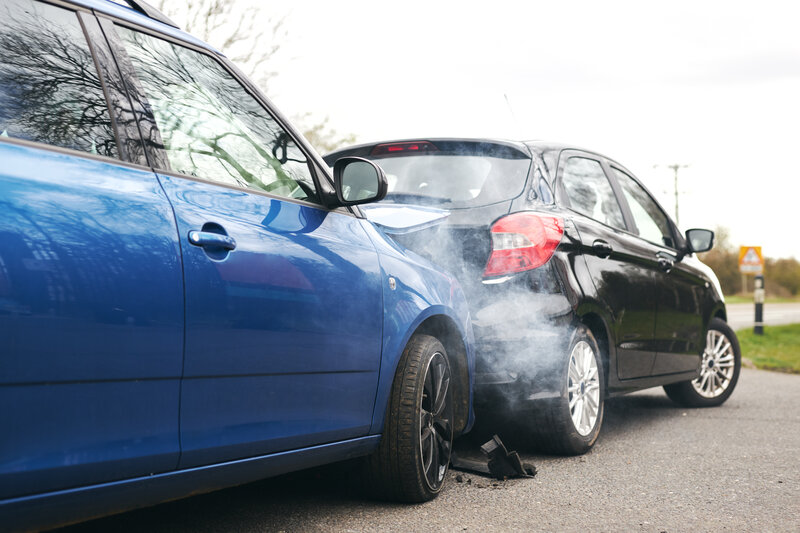
Understanding crash causes helps explain liability disputes and claim complexity.
Distracted Driving
Distracted driving continues to cause preventable crashes nationwide. Activities such as texting, navigation use, or in-vehicle distractions reduce driver awareness and reaction time. You can learn more about liability and claim challenges involving distracted driving accidents and how evidence often determines fault.
Speeding and Aggressive Driving
Speed remains a major factor in crash severity. National traffic safety research shows that higher speeds increase both crash likelihood and injury severity.
Impaired Driving
Alcohol and drug impairment remain a major safety concern. The National Highway Traffic Safety Administration reports thousands of alcohol-related fatalities each year. Collisions involving intoxicated drivers often involve criminal investigations and insurance disputes. These crashes frequently require specialized evidence review, as seen in drunk driving accident cases.
Commercial Traffic and Delivery Vehicles
Houston’s commercial activity leads to increased truck and delivery vehicle traffic. Collisions involving company vehicles may involve employer liability, commercial insurance policies, and complex claim investigations.
Weather and Road Conditions
Rain, fog, and construction zones can reduce visibility and traction. Houston’s sudden storms often create hazardous driving environments that increase crash risks.
Types of Car Accidents and Their Unique Challenges
Different crash types often involve distinct injury patterns, liability disputes, and insurance considerations. Exploring how various accident scenarios unfold can help clarify claim complexity, including:
Understanding these accident categories can also help injury victims recognize when further investigation or legal guidance may be necessary. Many people begin with educational resources before consulting with an vehicle collision lawyer to understand how liability and compensation may apply to their situation.
Rear-End Collisions
Rear-end crashes frequently cause neck injuries, whiplash, and soft tissue damage. These accidents often occur in traffic congestion or sudden stop situations. Liability typically centers on driver attention and following distance, although mechanical failures or roadway hazards may also play a role.
T-Bone and Intersection Accidents
Side impact crashes can lead to severe injuries due to limited side protection in most vehicles. These accidents often involve disputes regarding traffic signals, right of way, and driver visibility. You can explore liability considerations involving side impact collisions to understand how fault may be determined in intersection crashes.
Highway and Multi-Vehicle Collisions
High-speed crashes frequently involve multiple vehicles and chain reactions. Determining fault may require reconstruction analysis, witness statements, and traffic data review. These cases often include significant vehicle damage and complex insurance negotiations.
Distracted Driving Accidents
Distractions such as texting, navigation use, or in-vehicle technology can reduce reaction time and awareness. Investigations into distracted driving accidents often rely on phone records, surveillance footage, and witness observations to establish negligence.
Drunk Driving Accidents
Crashes involving impaired drivers frequently result in serious injuries and legal consequences. These claims may involve both civil liability and criminal proceedings. Additional insight into drunk driving accident claims can help explain how these cases differ from standard negligence claims.
Hit and Run Accidents
Hit and run collisions can leave injury victims facing uninsured driver challenges. These cases often rely on witness statements, surveillance footage, and uninsured motorist coverage for recovery.
Uber and Lyft Vehicle Accidents
Rideshare collisions may involve layered insurance coverage, corporate policies, and driver status questions. Claims involving Uber or Lyft rideshare accidents often require reviewing app activity, coverage phases, and third-party liability.
Construction Zone Accidents
Construction zones frequently involve reduced visibility, lane shifts, and heavy equipment. These conditions increase crash risk and may involve contractor liability or roadway maintenance issues.
Specialty Vehicle and Transportation Accidents
Some Houston crashes involve non-traditional vehicles or shared transportation services. For example, incidents involving:
These can raise unique liability and insurance coverage questions. Furthermore, claims like these may involve commercial insurers, governmental entities, or multiple policy layers, which can complicate the investigation and negotiation process.
Injuries Commonly Reported After Car Accidents
Crash injuries range from mild to life-altering. Some symptoms appear immediately, while others develop over time.
Soft Tissue and Whiplash Injuries
Whiplash occurs frequently in rear-end crashes due to rapid neck movement. While often considered minor, symptoms can persist and require ongoing treatment.
Head Injuries and Concussions
Traumatic brain injuries can affect memory, concentration, and emotional health. Even mild concussions may impact daily functioning and work performance.
Back and Spinal Injuries
Back injuries can limit mobility and create long-term pain. Disc injuries and spinal trauma may require extended treatment or surgical intervention.
Psychological and Emotional Effects
Accidents can also cause anxiety, sleep disruption, and post-traumatic stress symptoms. Emotional recovery remains an important component of overall healing.
Internal Injuries and Delayed Symptoms
Internal bleeding and organ damage may not present immediate symptoms. Medical evaluation after a crash can help identify hidden injuries that may worsen without treatment.
Compensation Available in Houston Car Accident Claims
Car accident compensation extends beyond immediate medical bills. Many injury victims underestimate long-term costs such as therapy, future care, and emotional distress. Understanding the full impact of an injury can help explain the true cost of a personal injury claim.
Settlement values often depend on injury severity, treatment duration, and long-term recovery needs. Understanding damage categories can help explain why compensation varies significantly between cases.
Medical Expenses
These damages cover emergency treatment, follow-up care, therapy, and future medical needs related to the crash.
Future Medical and Rehabilitation Costs
Serious injuries may require ongoing therapy, surgeries, or assistive care. Claims often account for projected treatment costs when calculating compensation.
Lost Income and Reduced Earning Capacity
Time away from work may lead to lost wages. In more serious cases, injuries may affect long-term earning potential.
Pain and Emotional Distress
Evaluating non-economic damages can feel confusing. However, guidance about pain and suffering damages in Texas can help clarify how these losses are assessed.
Property Damage
Property losses may also involve complex insurance coverage questions. Learning how Texas property damage liability insurance works can help explain reimbursement limits and claim timelines.
Punitive Damages in Severe Cases
In rare situations involving reckless conduct, courts may award punitive damages to discourage dangerous behavior. Understanding when punitive damages may apply can help clarify this less common form of compensation.
Insurance Coverage and Why It Matters
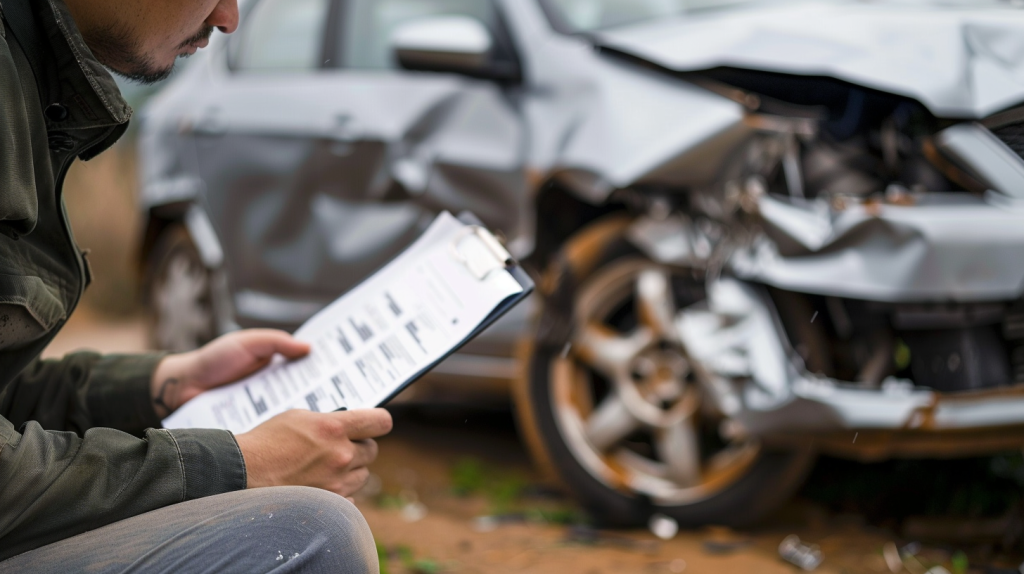
Texas drivers must carry minimum liability coverage of 30/60/25. However, serious crashes can exceed these limits quickly. Minimum coverage may not fully address serious injuries or multi-vehicle collisions. Many drivers explore additional protection options, including personal injury protection coverage to reduce out-of-pocket expenses after a crash.
Texas insurance requirements are outlined by the Texas Department of Insurance, which explains minimum coverage limits and optional policy protections.
Personal Injury Protection and MedPay
Optional coverage such as Personal Injury Protection may help cover medical expenses regardless of fault. MedPay can also assist with certain treatment costs.
Uninsured and Underinsured Motorist Coverage
Some drivers lack sufficient insurance coverage. UM and UIM policies can help fill gaps when the at-fault driver cannot fully compensate injuries.
Understanding coverage layers helps explain why claims may involve multiple insurers and negotiations.
Why Insurance Disputes Are Common
Insurers often evaluate injury severity, liability, and policy limits before approving payments. Disputes may arise when medical evidence conflicts with insurer evaluations or when policy coverage is limited.
Mistakes That Can Affect a Car Accident Claim
Certain actions may unintentionally weaken a claim or delay recovery.
Delaying Medical Treatment
Waiting too long for care can create gaps in medical records. Insurers may argue that injuries were unrelated or less serious.
Accepting Early Settlement Offers
Early settlement offers may not reflect long-term medical needs or financial losses. Evaluating treatment progress before accepting compensation can help prevent undervaluation.
Posting on Social Media
Photos or comments can be misinterpreted during investigations. Even unrelated posts may be used to challenge injury claims.
How Knowledge and Preparation Can Strengthen Your Claim
Clear documentation, consistent treatment, and organized records can support a smoother claims process. Keeping medical bills, treatment notes, and repair estimates together can help track losses accurately.
Understanding your rights and responsibilities also reduces confusion during negotiations. When people feel informed, they often feel more confident navigating insurance conversations and recovery decisions.
Frequently Asked Questions About Houston Car Accident Claims
How long do car accident claims take in Texas?
Claim timelines vary depending on injury severity and liability disputes. Some cases resolve within months, while complex claims may take longer.
Do all car accident claims go to court?
Most claims settle without trial. However, litigation may become necessary if settlement negotiations stall.
What if I feel fine immediately after the crash?
Symptoms can appear later due to adrenaline. Medical evaluation can help identify hidden injuries and create documentation.
Can I still recover compensation if I was partially at fault?
Texas comparative fault rules may reduce compensation, but recovery remains possible if fault stays below the legal threshold.
What if the other driver has no insurance?
Uninsured motorist coverage may help cover medical bills and vehicle damage. Without this protection, recovery may depend on personal assets or alternative coverage.
How do insurance companies calculate settlement offers?
Insurers evaluate medical records, treatment duration, lost income, and liability evidence. They may also review long-term impacts and comparative fault percentages.
Can a claim include emotional distress or trauma?
Yes. Emotional distress, anxiety, and post-traumatic stress symptoms may form part of non-economic damages when documented by medical professionals.
Why does documentation matter so much after a crash?
Medical records, photographs, and repair estimates create a clear timeline of injuries and losses. Consistent documentation often strengthens claim credibility.
Moving Forward After a Houston Car Accident
Recovery after a crash involves more than vehicle repairs or insurance paperwork. Physical healing, emotional adjustment, and financial concerns often overlap. Many people feel overwhelmed, especially when navigating unfamiliar legal and insurance processes.
However, understanding how claims work can reduce uncertainty and restore a sense of control. Taking thoughtful steps, documenting injuries, and seeking reliable information can help you move forward with confidence.
This guide aims to clarify the path ahead and support informed decisions during recovery. If you have questions about your specific situation, exploring your legal options can help clarify potential next steps.
If you want personalized answers beyond general information, speaking with a car accident lawyer in Houston can help clarify next steps and protect your claim from early mistakes.