

A dog attack can happen without warning, and the injuries that follow often require emergency care, surgery, and months of recovery. If you or a family member suffered a bite or attack in Houston, you may want to contact a Houston dog bite lawyer to help pursue compensation from the dog owner or the property owner where the incident occurred. Joe I. Zaid & Associates represents dog bite victims throughout Houston and Harris County, helping injured individuals hold negligent parties accountable and recover the financial compensation they deserve.
Speaking with a Houston dog bite lawyer as soon as possible can protect critical evidence and preserve your legal options. Call (346) 340-0800 today for a free consultation, or visit one of our four Houston offices, open 24 hours a day, seven days a week.

Why Dog Bite Claims Require Legal Representation
Dog bite cases carry legal complexity that most victims underestimate. Texas does not impose strict automatic liability in every dog bite situation. Proving a claim often requires establishing that the owner knew or had reason to know the dog posed a danger, gathering evidence of prior behavior, and countering the defenses that owners and their insurers regularly raise.
Insurance carriers typically handle these claims through homeowner’s or renters insurance policies, and their adjusters work to minimize payouts. Common tactics include disputing the owner’s prior knowledge, arguing provocation, or offering a fast settlement before the victim understands the full value of their claim.
A Houston dog bite attorney can help you:
- Investigate the attack and document how it occurred
- Research the dog’s history through Harris County Animal Control records and prior incident reports
- Identify all liable parties, including dog owners, landlords, and property managers
- Gather witness statements, surveillance footage, and veterinary records
- Handle all communications with insurance adjusters
- Calculate the full value of medical costs, lost income, and long-term damages
- File a lawsuit in Harris County courts when insurers refuse to negotiate fairly
The law around Texas Dog Bites
Texas follows what is commonly referred to as the “one bite rule”, a negligence-based standard requiring victims to show that the dog owner knew or should have known the animal posed a risk to others. This differs from strict liability states where ownership alone creates liability after a bite.
Even without a documented prior bite, a dog owner may still face liability under general negligence principles. If the owner failed to restrain a visibly aggressive dog, ignored clear warning signs, or allowed the animal to roam in areas with pedestrians and visitors, that conduct supports a negligence claim. Our firm evaluates both available legal theories from the start of every case:
- Negligence: The owner failed to exercise reasonable care in controlling a dangerous animal
- Premises liability: The property owner permitted a known hazard to exist on their property, resulting in foreseeable injury to a visitor
Property owners throughout Houston and Harris County, including landlords managing apartment complexes, homeowners, and commercial property operators, can all face liability when dog attacks occur on their premises. Laws surrounding dog bites can be complex so it is important to find a Houston dog bite lawyer who can effectively represent you.
Dog Attack Scenarios We Handle Across Houston
Dog attacks occur in a wide range of situations. Each setting affects who bears liability and how the claim is built.
Residential Property Attacks
Many dog bites happen at private homes, where visitors, neighbors, and service workers encounter dogs without adequate warning or restraint. Homeowner’s insurance typically covers these incidents, but carriers regularly dispute liability or undervalue injuries. Documenting the circumstances immediately after the attack is essential.
Apartment Complexes and Rental Properties
Multi-unit residential properties across Houston, including those near the Inner Loop, North Houston, and Southwest Houston, frequently see dog incidents in shared outdoor spaces, parking lots, and hallways. Liability may extend beyond the individual dog owner to the property management company, particularly when the landlord had prior notice of the animal’s behavior.
Commercial and Business Properties
Dog attacks on business premises fall under premises liability principles. When a business allows animals on its property and a visitor is injured, the business may share liability alongside the dog’s owner. Additional injuries sustained from a dog attack on a property could result in further investigation from a premises liability lawyer.
Parks, Trails, and Public Spaces
Houston’s outdoor spaces attract large numbers of residents and their dogs. Popular areas such as Memorial Park, Buffalo Bayou Park, Hermann Park, and the trail systems along Brays Bayou all see regular activity. Off-leash dogs present real risk, and when an attack occurs in a public space, an owner’s failure to comply with Houston leash ordinances can directly support a negligence finding.
Attacks Involving Children
Children sustain a disproportionate share of serious dog bite injuries. Their smaller size and limited ability to read animal behavior means they frequently suffer facial injuries, deep lacerations, and lasting psychological trauma. Cases involving child victims typically involve higher damages and require careful documentation of both physical and emotional harm.
Delivery Workers and Postal Carriers
Letter carriers, package delivery drivers, and service contractors working in Houston’s residential neighborhoods face elevated exposure to dog attacks during daily routes. When a dog attacks a worker during the course of employment, the claim may involve both a workers’ compensation component and a separate civil liability claim against the dog owner.
Houston Dog Bite Statistics
Dog attacks are more common and serious than many people recognize. National, state, and local data all point to a consistent pattern of preventable harm.
According to the American Veterinary Medical Association, approximately 4.5 million dog bites occur in the United States each year, with roughly 800,000 requiring medical attention. Children between the ages of five and nine are among the most frequently and seriously injured groups.
Who Is Most Often Affected in Dog Bite Incidents
Data on dog bite patterns consistently shows:
- Children suffer bites at higher rates than adults and tend to sustain more severe injuries relative to their body size
- Facial, neck, and hand injuries are the most common among child victims
- Most bites occur on private property, often involving dogs familiar to the victim
- Unneutered male dogs account for a disproportionate share of serious attacks, according to published veterinary and public health research
- Delivery and postal workers face elevated daily risk in residential areas
Harris County Animal Control Activity
Harris County Animal Control responds to thousands of animal-related service calls each year, including bite reports, dangerous dog investigations, and stray animal complaints. Texas law requires dog owners to report certain bite incidents. These records become important evidence in civil liability claims.
Under Texas Health and Safety Code Chapter 822, courts may legally classify a dog as dangerous following a documented attack. A prior dangerous dog designation significantly strengthens a civil claim by establishing that the owner already had formal legal notice of the animal’s risk to others.
Injuries Handled By a Houston Dog Bite Lawyer
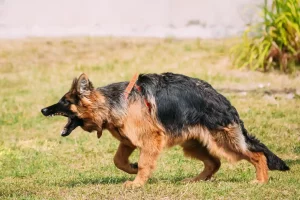
The physical and psychological consequences of a serious dog attack frequently extend well beyond what appears in the initial emergency room visit. Injuries that seem manageable at first can develop into complex, costly, and permanent conditions over weeks and months. Our legal team representing victims injured due to dog bites and attacks handle a wide variety of cases.
Common injuries include:
- Deep lacerations and puncture wounds: Bite wounds frequently require stitching, surgical debridement, or reconstructive procedures, particularly on the face, hands, and arms
- Nerve damage: Bites in sensitive areas can sever or compress nerves, causing permanent loss of sensation or impaired motor function
- Infection and sepsis: Dog mouths carry bacteria capable of causing serious infections including cellulitis and MRSA; severe cases can require extended hospitalization
- Scarring and disfigurement: Facial and limb injuries often produce permanent visible scarring that affects appearance and emotional well-being
- Broken bones and fractures: Large dogs can knock victims to the ground, causing fractures particularly in elderly victims and children
- Traumatic brain injury: Falls caused by a knockdown attack can result in head trauma with lasting cognitive effects
- Psychological trauma and PTSD: Fear, nightmares, anxiety, and avoidance behaviors are common outcomes, especially among children and those who experienced life-threatening situations
Accurate documentation of every injury, from the initial emergency visit through all follow-up treatment, is central to building a strong injury claim. Victims suffering from a dog attack may also have claims related to catastrophic harm. If your injuries extend past a dog bite, and you suffer from disability, disfigurement, or lost wages from medical leave, you may consider contacting a personal injury lawyer to evaluate the full extent of your injuries.
What to Do After a Dog Attack in Houston
Get Medical Treatment Right Away
Dog bite wounds can appear manageable on the surface while involving deep tissue damage, nerve injury, or infection risk that is not immediately visible. Seek care promptly, even if the wound seems minor. Houston area facilities that treat bite injuries include Memorial Hermann Medical Center, Ben Taub Hospital, and Houston Methodist Hospital. Prompt treatment also creates medical records that directly link your injuries to the incident.
Report the Attack to Animal Control
File a report with Harris County Animal Control or the Houston Health Department’s Bureau of Animal Regulation and Care (BARC). A formal incident report documents the dog, the owner, and the circumstances of the attack, and may trigger a dangerous dog investigation when warranted.
Identify the Dog and Owner
Obtain the dog owner’s name, address, and contact information. Ask whether the dog is current on its rabies vaccination. If witnesses were present, collect their contact information as well.
Document Your Injuries and the Scene
Photograph bite wounds at the scene and continue photographing them throughout your recovery. Note the exact location, time, and conditions of the attack. If nearby businesses or residences may have captured the incident on camera, act quickly since surveillance footage is frequently overwritten within 24 to 72 hours.
Avoid Speaking to Insurers Alone
If the dog owner’s insurance carrier contacts you, do not provide a recorded statement or accept any settlement offer before consulting a Houston dog bite lawyer. Early offers are almost always made before the full scope of injuries is known.
For additional guidance on preserving your rights after a serious injury, you can review our injury claim guide.
How Our Houston Dog Bite lawyers Build a Case
Immediate Investigation
Our firm moves quickly to gather animal control records, prior incident reports, witness statements, and available surveillance footage. Establishing whether the dog had a prior history of aggression is a central focus. Harris County animal control records and neighborhood documentation sometimes reveal incidents the owner never disclosed.
Medical Record Coordination
Thorough medical documentation anchors the damages portion of every case. Our firm coordinates documentation of emergency care, follow-up treatment, surgical procedures, infection management, and psychological treatment to capture the full scope of losses.
Insurance Strategy
Most dog bite claims resolve through the at-fault party’s homeowner’s or renters insurance policy. Our firm’s prior insurance industry experience provides direct insight into how carriers evaluate these claims and the specific tactics adjusters use to dispute liability or minimize injury value.
Litigation Preparation
Every case our firm takes is built from the outset as though it may go to trial. When insurers refuse fair compensation, we file suit in Harris County courts and pursue full recovery through litigation. That readiness also strengthens negotiating position before a lawsuit becomes necessary.
How Insurance Companies Handle Dog Bite Claims
The dog owner’s insurance carrier does not represent your interests. Adjusters operate under financial pressure to minimize payouts and use consistent strategies to reduce claim value.
Common tactics in dog bite cases include:
- Requesting an early recorded statement before the full extent of injuries is known, then using that statement to limit the claim later
- Disputing prior knowledge of aggression, arguing the owner had no reason to expect a bite
- Claiming provocation, even when the victim did nothing to trigger the attack
- Minimizing injury severity, particularly for infection complications, scarring, or psychological trauma
- Offering a fast, low settlement before the victim has completed treatment or consulted an attorney
Having a Houston dog bite attorney handle insurer communications from the start removes these pressure points and ensures your claim reflects the full value of your documented damages.
Compensation Available in a Houston Dog Bite Case
A Houston dog bite attorney evaluates both economic and non-economic damages when calculating the value of a claim. Each case is unique, and the compensation a victim can pursue depends on injury severity, medical costs, long-term prognosis, and the insurance coverage available.
Recoverable damages typically include:
- Medical expenses: Emergency care, hospitalization, surgery, infection treatment, wound care, and follow-up appointments
- Reconstructive and cosmetic procedures: Surgical scar revision, skin grafting, and reconstructive work to address permanent disfigurement
- Lost wages and reduced earning capacity: Income lost during recovery and long-term earnings impact from permanent disability
- Pain and suffering: Physical pain caused by the attack and the ongoing recovery process
- Mental anguish and emotional distress: Anxiety, PTSD, fear of dogs, sleep disruption, and other documented psychological effects
- Disfigurement: Compensation for permanent visible scarring or deformity affecting daily life
- Property damage: Damaged clothing, assistive devices, or other personal items
What Your Case May Be Worth
Several factors influence how dog bite claims are valued:
- Severity and permanence of physical injuries
- Whether the attack caused lasting disfigurement or functional disability
- Clarity of the owner’s knowledge of the dog’s dangerous behavior
- Available insurance coverage under the at-fault party’s policy
- The victim’s age and how injuries affect daily life, work, and relationships
- Documented psychological impact and the need for ongoing mental health treatment
No online calculator can accurately assess a dog bite claim. Accurate valuation requires a detailed review of medical records, expert input on severe injuries, and a clear understanding of applicable insurance policy limits.
Texas Laws That Affect Your Dog Bite Claim
Statute of Limitations
Under Texas Civil Practice and Remedies Code Section 16.003, injury victims generally have two years from the date of the attack to file a civil lawsuit. Missing that deadline typically bars the claim entirely. Starting the legal process early preserves evidence and gives your attorney time to build the strongest possible case.
Texas Negligence Standard and the One Bite Rule
Texas law requires victims to demonstrate that the owner knew or should have known the dog posed a danger. Evidence supporting that knowledge can include prior bite reports, animal control records, dangerous dog designations, and testimony from neighbors familiar with the dog’s behavior.
Modified Comparative Fault
Texas follows a modified comparative fault rule under which a victim’s compensation is reduced by their percentage of fault. Victims who are less than 51% at fault may still recover. Insurance companies frequently attempt to assign partial fault to victims to reduce their payout. Legal representation is critical to countering these arguments with evidence.
Dangerous Dog Designations
Texas Health and Safety Code Chapter 822 allows courts to legally classify a dog as dangerous following a documented attack causing serious injury. This designation imposes additional restrictions on the owner and creates a formal legal record that strengthens the position of future bite victims.
Dog Bite Risk Across Houston
Houston’s size, density, and active outdoor culture create widespread exposure to dog bite risk throughout Harris County. Residential neighborhoods, apartment complexes, parks, and commercial corridors all see regular dog activity, and incidents involving inadequately restrained or aggressive animals occur across the city’s diverse communities.
High-activity areas in Houston where dog encounters are common include:
- Memorial Park and Buffalo Bayou Park along the bayou corridor
- Hermann Park near the Texas Medical Center and Museum District
- Walkable residential streets throughout Montrose, the Heights, and Midtown
- Apartment-dense corridors across North Houston, Southwest Houston, and the Inner Loop
- Suburban residential neighborhoods throughout Harris County, including areas near Pasadena, Deer Park, La Porte, Channelview, and Galena Park
Delivery personnel working residential routes throughout Houston face above-average daily exposure. These workers operate in unfamiliar environments where dog encounters are frequent and often unpredictable. When a dog attacks a worker during the course of employment, the claim may involve both workers’ compensation and a separate civil liability action against the owner.
Our firm serves dog bite victims throughout Houston and the surrounding Harris County communities, including South Houston and Galena Park.
About Joe I. Zaid & Associates
Joe I. Zaid is the founder of Joe I. Zaid & Associates and a Texas-licensed attorney who graduated from South Texas College of Law Houston. Before founding the firm in 2013, he spent nearly a decade working inside the insurance industry, giving him firsthand knowledge of how carriers evaluate claims, dispute liability, and attempt to reduce settlements.
That background translates directly into stronger case strategy for our clients. Our firm understands what insurers look for and builds claims with that knowledge from day one.
Awards and Recognitions
- H-Texas Magazine – Houston’s Top Lawyers Nominee Recognized among leading attorneys serving the Houston legal community.
- Top 40 Under 40 Trial Lawyers Award honoring outstanding trial attorneys under forty years of age.
- Super Lawyers Selection (2026) A distinction reserved for attorneys demonstrating strong professional achievement and peer recognition within the legal profession.
Joe I. Zaid is also an active member of the Houston Trial Lawyers Association and the Texas Trial Lawyers Association, reinforcing a sustained commitment to representing injury victims across Texas.
Frequently Asked Questions About Houston Dog Bite Cases
Who pays for a dog bite injury in Texas?
In most cases, the dog owner’s homeowner’s or renters insurance policy covers dog bite claims. If the owner is uninsured or coverage is insufficient, direct legal action against the individual may be necessary. A Houston dog bite lawyer can identify all available coverage from the start of the case.
What if there is no record of the dog biting anyone before?
A prior bite history strengthens a claim, but it is not always required. A dog owner may still face liability under general negligence principles if they failed to control a dog that displayed clear warning signs of aggression, even without a documented prior incident.
What if the insurance company claims I provoked the dog?
Provocation is a common defense insurers raise to reduce liability exposure. Our firm counters these arguments using witness testimony, surveillance footage, veterinary records, and evidence of the animal’s established behavior. Texas comparative fault rules allow recovery even when shared fault is alleged, as long as the victim is less than 51% responsible.
Can a landlord be held liable for a tenant’s dog?
Potentially, yes. If the landlord had prior knowledge that the tenant’s dog was aggressive and failed to act, they may share liability alongside the dog owner. Lease agreements and prior written notices about the animal are often central to establishing a landlord’s knowledge.
What if a child was the victim of the dog bite?
Cases involving minor victims require particularly careful handling. Damages in child dog bite cases are often substantial given the potential for permanent scarring, facial injury, and lasting psychological trauma. Parents or guardians should consult a Houston dog bite lawyer promptly, as key evidence can disappear quickly. You can contact our legal team to discuss the specifics of your situation.
Contact a Houston Dog Bite Lawyer
If you or a family member suffered a dog attack in Houston or anywhere in Harris County, acting quickly protects your claim and preserves the evidence your case depends on. Evidence disappears fast, medical records must be established promptly, and animal control documentation should be secured before it becomes inaccessible.
Joe I. Zaid & Associates offers free consultations and is available 24 hours a day, seven days a week, with multiple locations across the Houston area. Our firm works on a contingency fee basis, meaning you pay no legal fees unless we recover compensation for you.